Building Stronger Employee Relations at Work
Strong employee relations are essential for creating a productive, respectful, and sustainable workplace. Organisations that maintain open communication, address employee concerns fairly, and build trust between employees and management are better positioned to prevent workplace conflicts and improve overall performance.
Employee relations are not limited to resolving disputes after they arise. They involve creating a workplace environment where employees feel heard, managers communicate effectively, concerns are addressed promptly, and workplace policies are applied consistently.
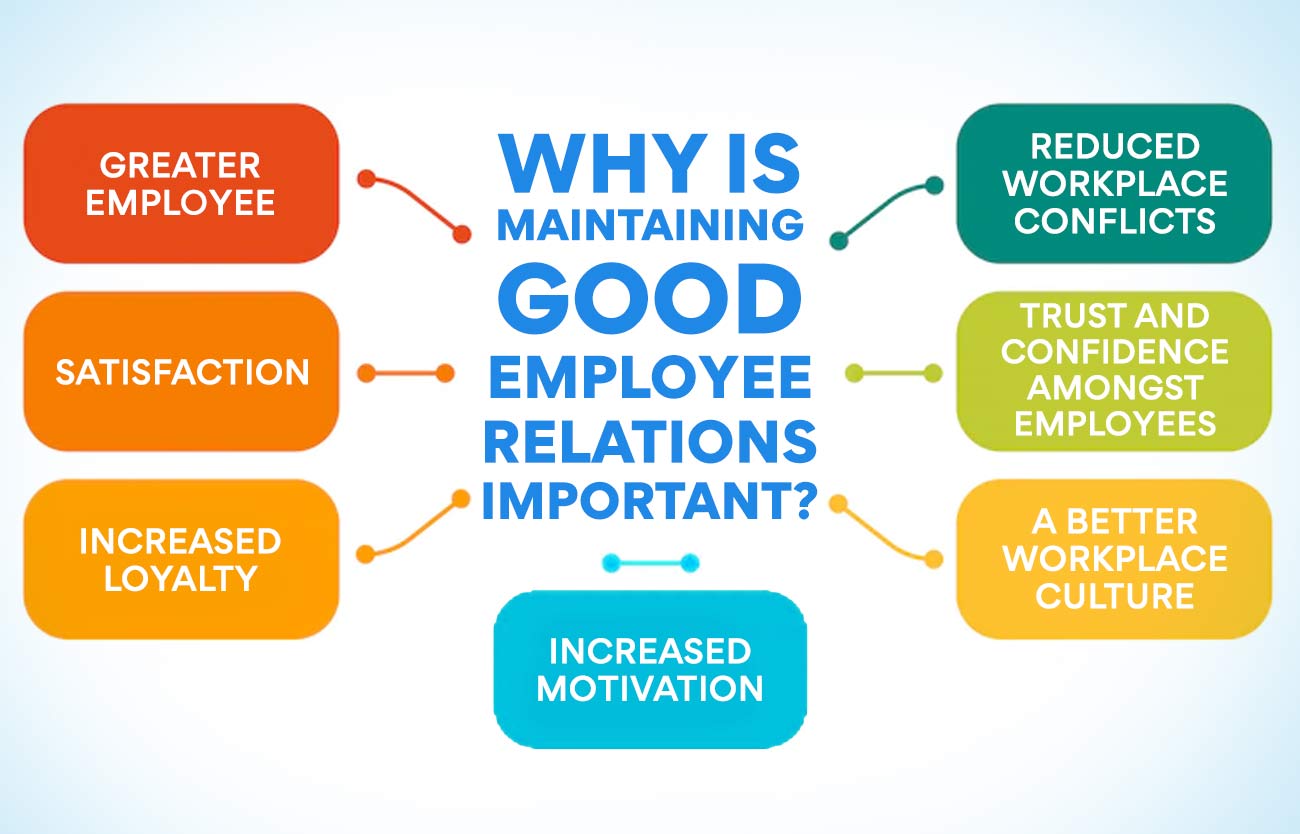
Why Employee Relations Matter
Healthy employee relations can help organisations:
-
Build trust between employees and management.
-
Improve communication across teams and departments.
-
Reduce workplace conflicts and misunderstandings.
-
Improve employee engagement and productivity.
-
Encourage employees to raise concerns early.
-
Support better retention and workplace stability.
-
Create a more positive organisational culture.
Key Elements of Strong Employee Relations
1. Open & Effective Communication
Clear communication is the foundation of positive employee relations. Organisations should encourage employees and managers to communicate openly about expectations, responsibilities, workplace concerns, and organisational changes.
Regular team meetings, one-to-one discussions, feedback sessions, and appropriate communication channels can help reduce misunderstandings and create greater transparency.
2. Effective Grievance Handling
Employees should have access to a fair and structured mechanism for raising workplace concerns. Grievances should be acknowledged, reviewed objectively, and addressed within a reasonable timeframe.
A well-managed grievance process can help organisations:
-
Identify workplace issues at an early stage.
-
Prevent minor concerns from becoming major disputes.
-
Ensure employees receive a fair opportunity to be heard.
-
Maintain proper records of complaints and actions taken.
-
Promote confidence in organisational processes.
3. Fair & Consistent Workplace Practices
Consistency is important when dealing with employee-related matters. Similar situations should be handled through established policies and procedures, while allowing for the specific facts and circumstances of each case.
Clear disciplinary procedures, transparent decision-making, and documented processes can help organisations reduce perceptions of bias or unfair treatment.
4. Manager & Supervisor Capability
Managers play an important role in shaping employee experiences. Even well-designed HR policies can become ineffective if managers are not equipped to handle people-related situations appropriately.
Organisations should develop managerial capabilities in:
-
Communication and active listening.
-
Conflict management.
-
Giving and receiving feedback.
-
Handling difficult conversations.
-
Managing grievances.
-
Applying workplace policies consistently.
5. Employee Feedback & Engagement
Employee relations become stronger when employees have meaningful opportunities to share feedback and suggestions.
Organisations can use:
-
Employee feedback surveys.
-
One-to-one meetings.
-
Team discussions.
-
Suggestion mechanisms.
-
Periodic employee engagement initiatives.
The important part is not simply collecting feedback but taking appropriate action and communicating outcomes where possible.
Managing Workplace Conflicts
Conflicts can arise because of differences in communication, expectations, responsibilities, working styles, or workplace decisions. Ignoring such issues can affect team morale and productivity.
Organisations should focus on:
-
Identifying conflicts at an early stage.
-
Listening to all relevant parties.
-
Understanding the underlying issues.
-
Maintaining neutrality during discussions.
-
Following established procedures.
-
Documenting important discussions and decisions.
-
Seeking appropriate professional support when required.
The objective should be to resolve issues fairly and constructively while maintaining workplace relationships.
Creating a People-Focused Workplace
A people-focused workplace does not mean avoiding difficult conversations or organisational accountability. Instead, it means balancing business requirements with fairness, transparency, respect, and effective people management.
Organisations can strengthen their workplace culture by:
-
Encouraging respectful communication.
-
Recognising employee contributions.
-
Providing constructive feedback.
-
Supporting professional development.
-
Maintaining transparent policies.
-
Addressing concerns without unnecessary delay.
-
Promoting dignity and respect at work.
Common Challenges in Employee Relations
Organisations may experience employee relations challenges due to:
-
Poor communication between management and employees.
-
Delayed grievance resolution.
-
Inconsistent application of policies.
-
Lack of manager training.
-
Unclear roles and responsibilities.
-
Workplace misunderstandings.
-
Inadequate documentation.
-
Failure to address concerns at an early stage.
Identifying these challenges through regular review can help organisations take preventive action.
Practical Steps for Organisations
To build stronger employee relations, organisations can adopt a structured approach:
-
Establish clear communication channels.
-
Create accessible grievance-handling mechanisms.
-
Train managers in people and conflict-management skills.
-
Review workplace policies regularly.
-
Encourage constructive employee feedback.
-
Address workplace concerns promptly and fairly.
-
Maintain appropriate documentation.
-
Monitor recurring employee relations issues.
-
Promote respectful and professional workplace behaviour.
-
Review outcomes and continuously improve people practices.
Conclusion
Strong employee relations are built through consistent communication, fairness, trust, and timely action. Organisations that actively listen to employees and address workplace concerns through structured processes can reduce conflict and create a more collaborative working environment.
By combining effective grievance handling, capable managers, transparent policies, and people-focused practices, organisations can strengthen employee trust while supporting productivity, workplace stability, and long-term organisational growth.